
Štítek: en
-
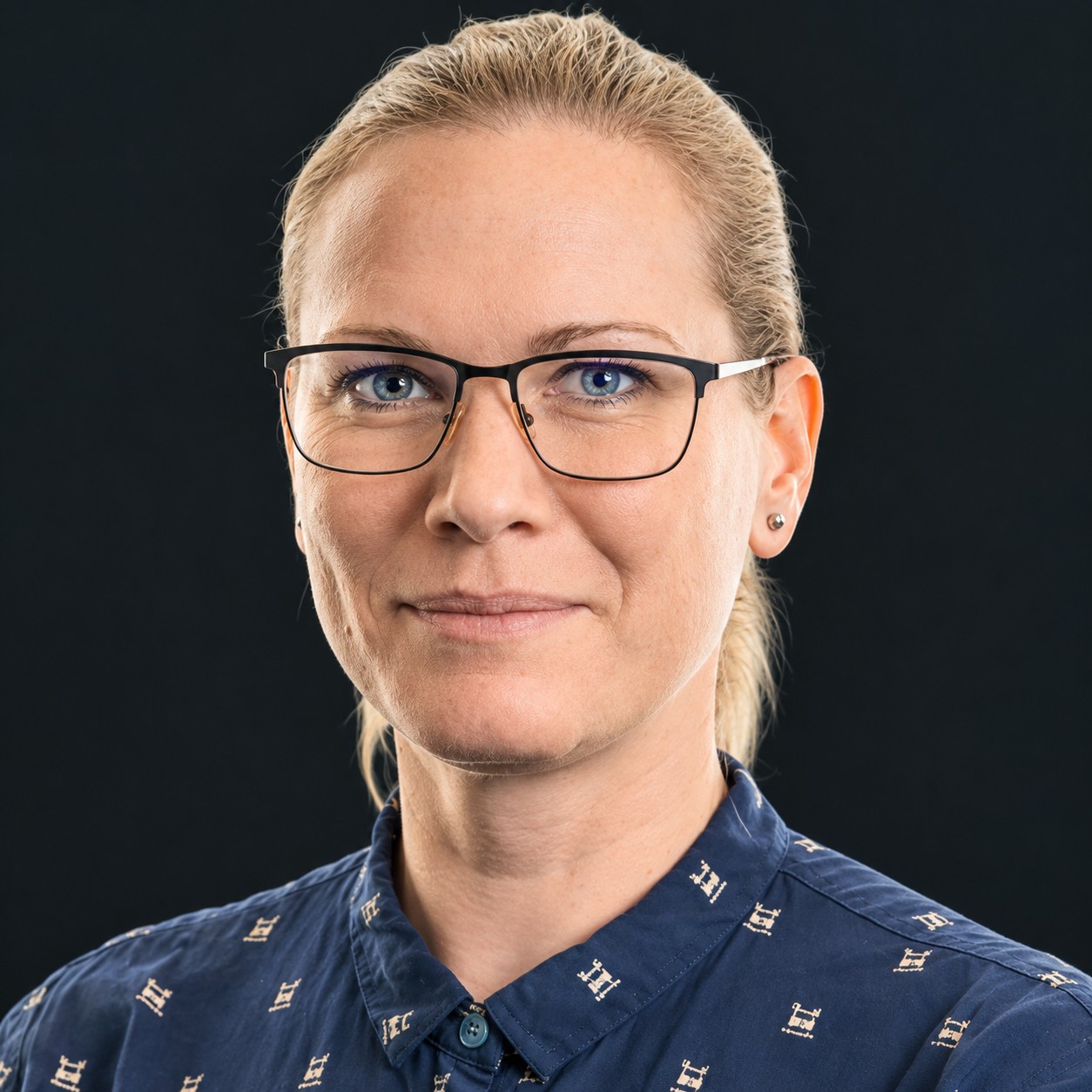
“If it ain’t broke, don’t fix it.” Jana Vydrová of Škoda Auto on why the digitization of production isn’t running intoon technology, but on habits
The automaker produces thousands of parts every day, yet it doesn’t learn about its own production until up to two days later. The data exists, but it’s scattered across dozens of systems, in manually maintained spreadsheets, and in the minds of experienced foremen. Jana Vydrová, who works at Škoda Auto on digital component production management…
-
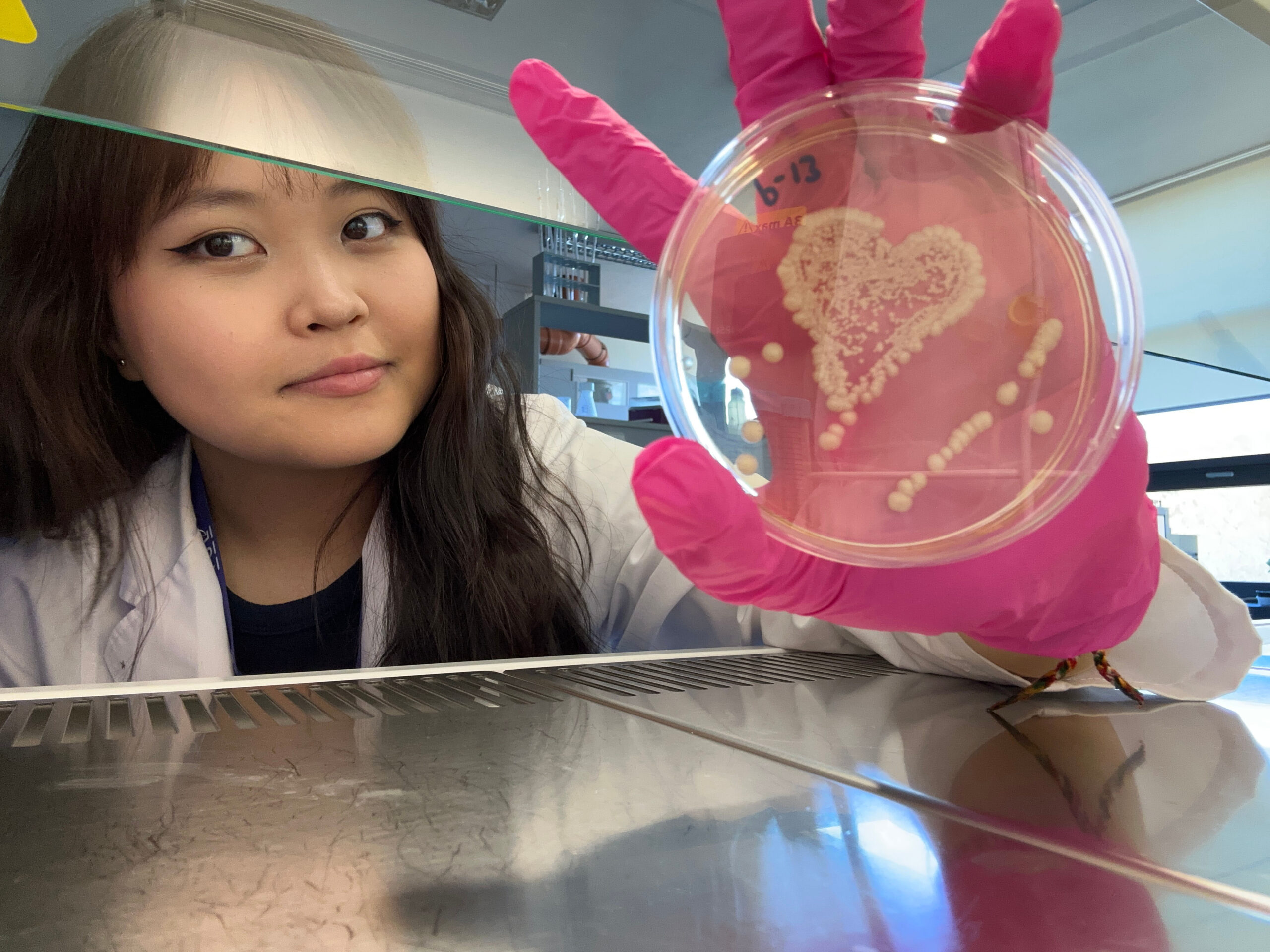
Are you crazy? You must apply!” The family advice that brought her from Mongolia to CXI TUL
Misheel Gantsogt studied Nano Science and Engineering at the National University of Mongolia. Her journey to CXI TUL began with a Czech government scholarship and a connection between her professor Dr. Ganzorig and CXI TUL Director Professor Miroslav Černík. She came to Liberec to study, research and gain new experience. This autumn, she will continue…
-

Bacteria, Nanofibres and a Plastic Pipe: A Simple Way to Clean Water
At first glance, it looks like a simple setup. Inside, however, microorganisms are at work, helping to further purify the water. Karel Havlíček from CXI TUL and his team combined bacteria with a 3D nanofibrous carrier and tested the solution both at a wastewater treatment plant and in an ordinary garden pond. Wastewater treatment has…
-
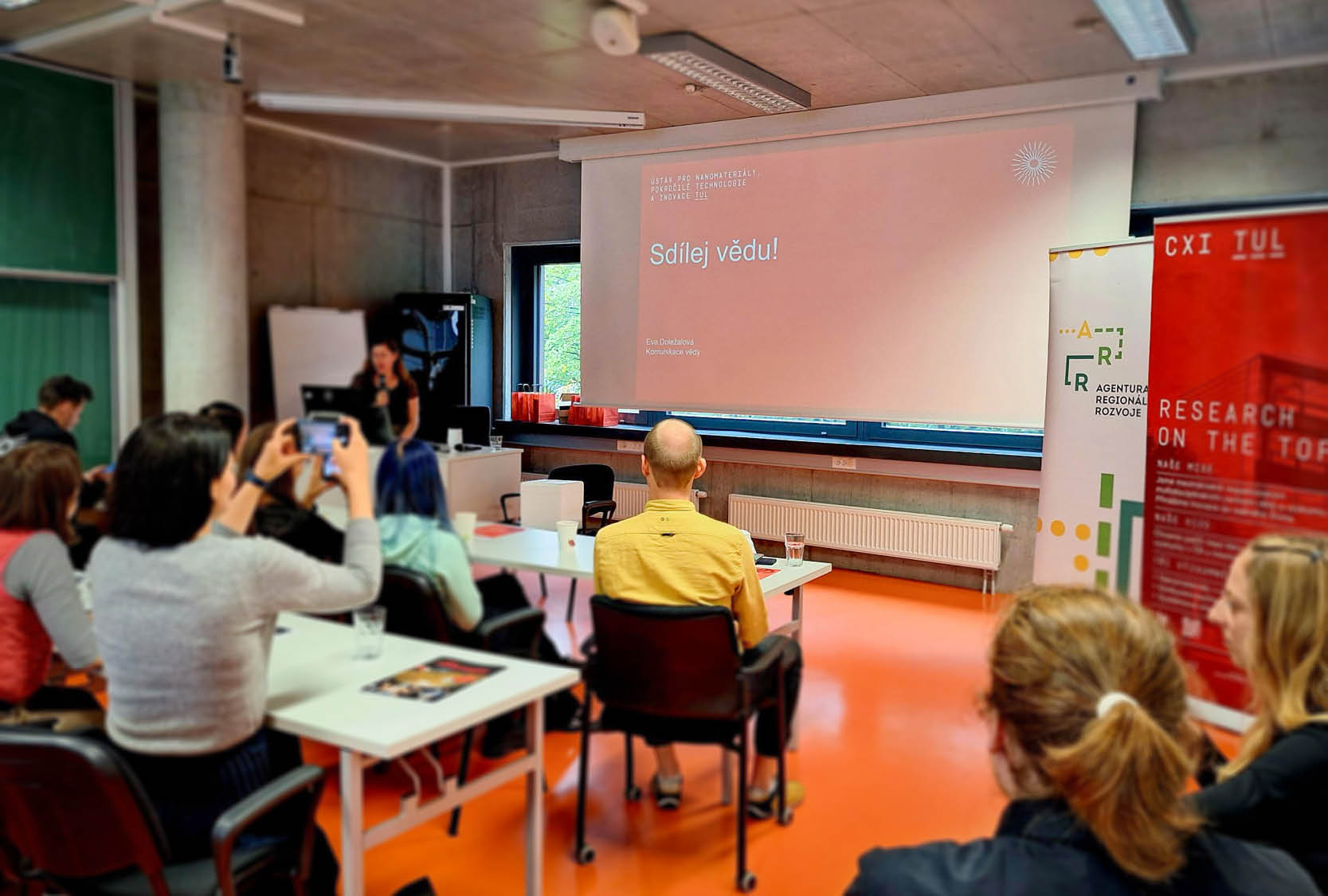
Cutting-edge science isn’t limited to Prague. So why do we hardly ever hear about it?
Karel Žídek received one of Europe’s most prestigious ERC grants. Thanks to her research, Karolína Morávková made it to the finals of the Falling Walls Lab in Berlin. Eduard Seibert captivated the world with a lamp created with the help of bees. They have one thing in common: they’re doing cutting-edge science outside of Prague.…
-
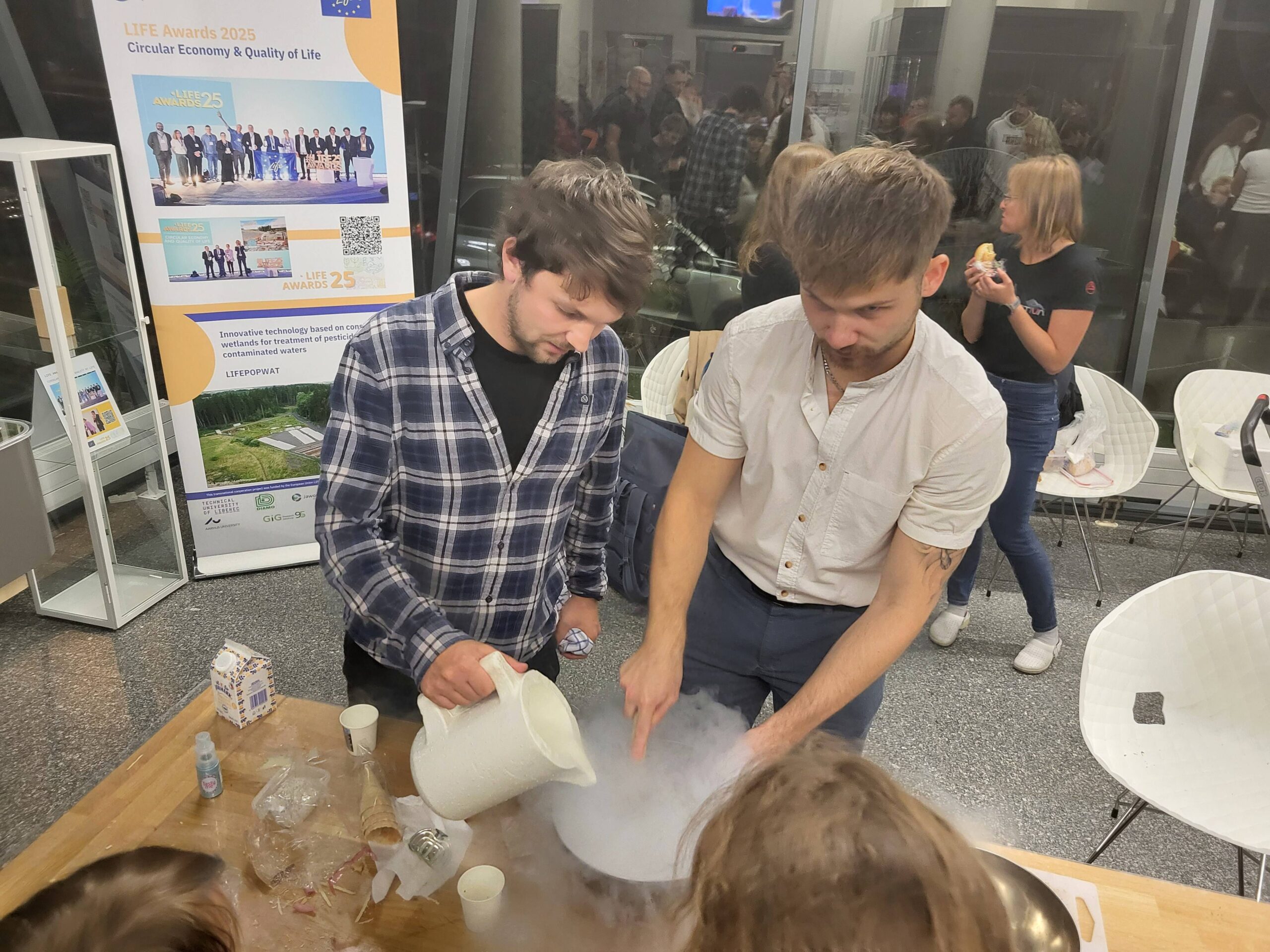
What Do Bacteria Say to Each Other? Science Night at CXI TUL Will Reveal the Hidden Language All Around Us
Bacteria can coordinate their actions. Human cells have their own communication network. Chemical substances send signals, and a 3D printer must correctly interpret the code. In short, communication neither begins nor ends with humans. At this year’s Science Night at CXI TUL, you’ll discover how many different “conversations” are taking place around us without us…
-
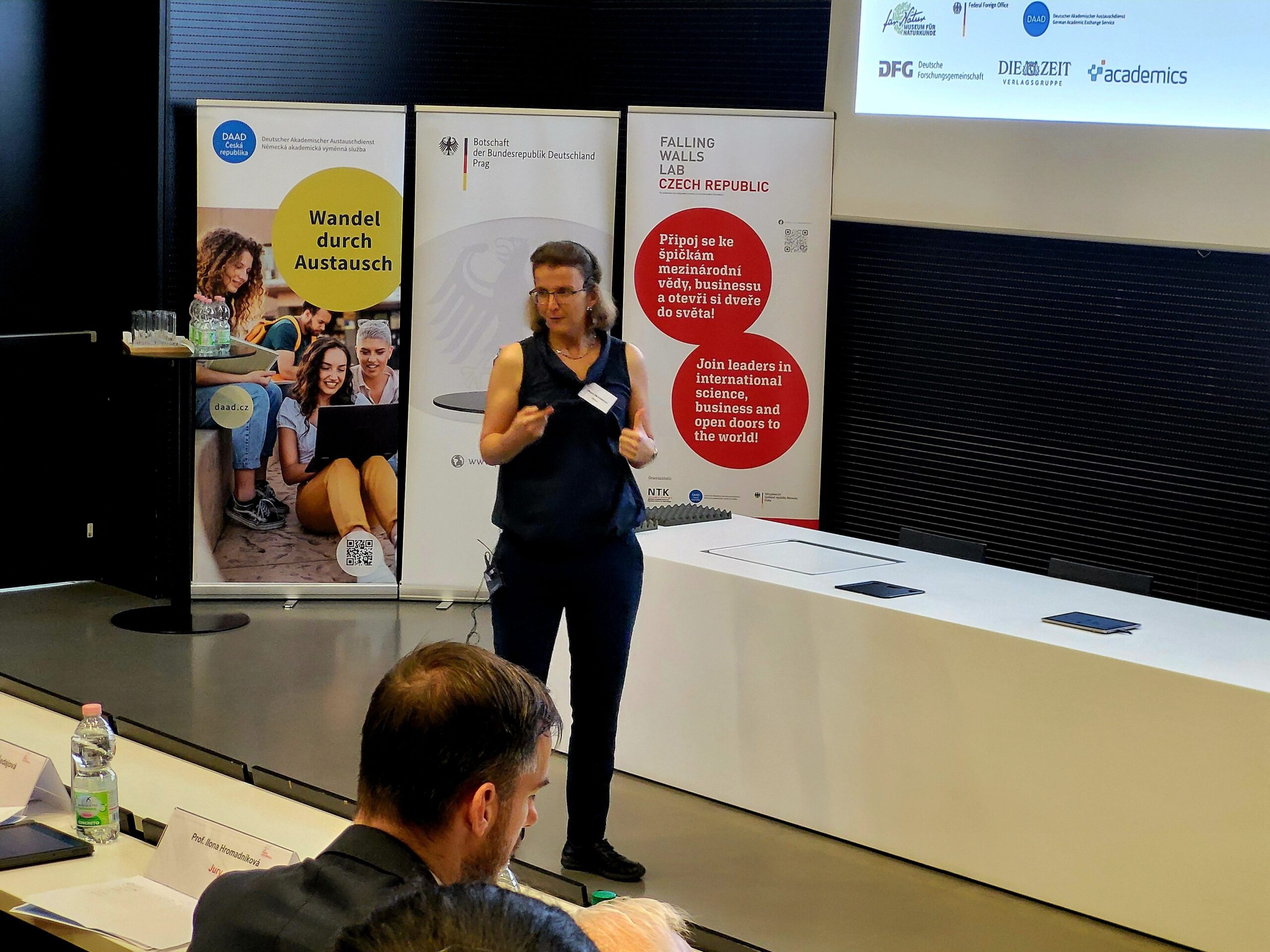
Magda Nechanická Represented CXI TUL at the Falling Walls Lab
Magda Nechanická, a young researcher from CXI TUL, made it to the Czech finals of the prestigious international Falling Walls Lab competition. In her three-minute presentation, she introduced research that could significantly speed up the detection of pathogens in water. The Czech finals of the Falling Walls Lab took place on September 15 at the…
-
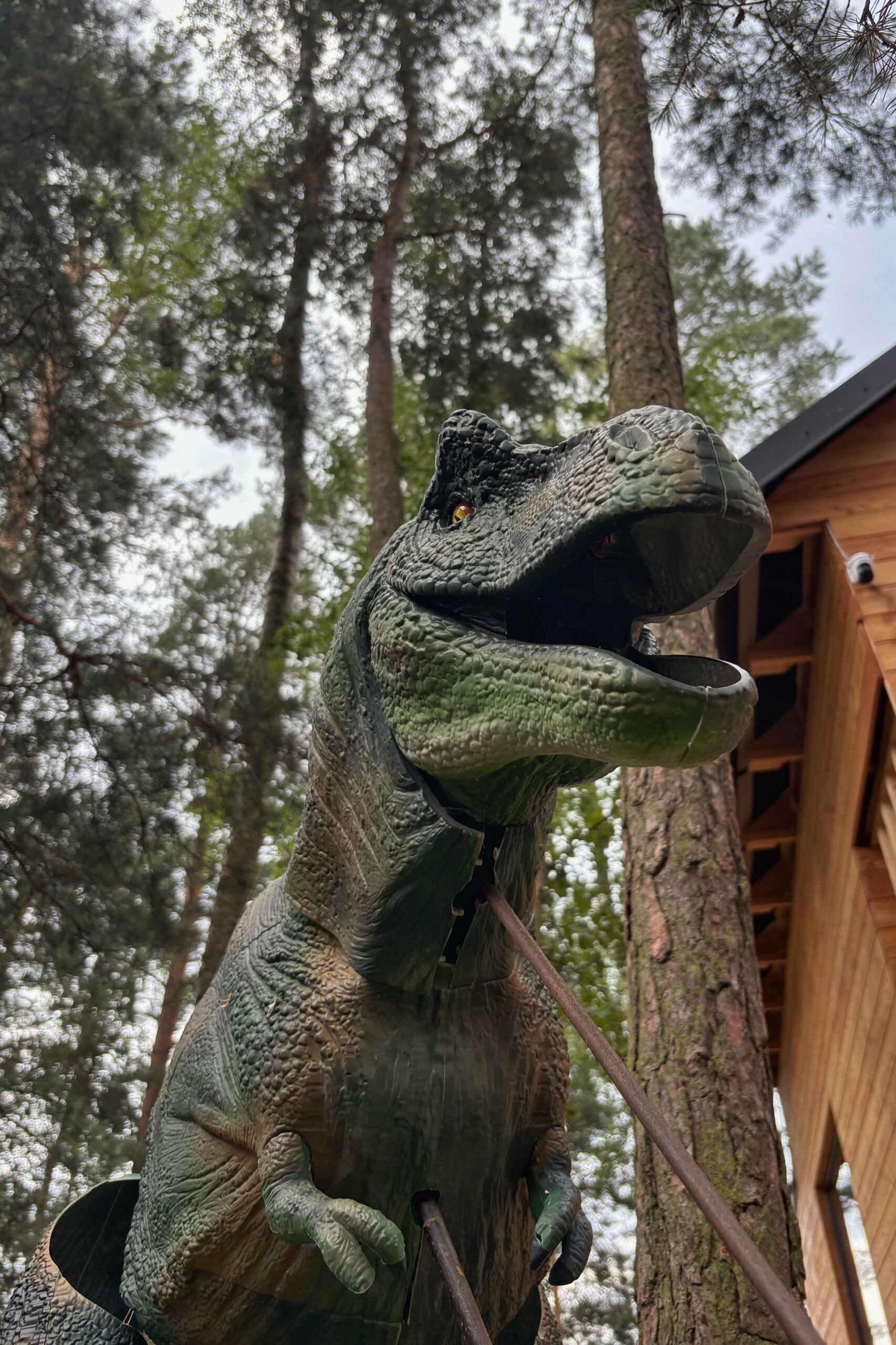
A dinosaur world has sprung up in the forest. 3D printing from CXI TUL helped make it happen
What began as a children’s game with dinosaurs is now the unique Dinopark Hostíkovice, home to nearly 150 prehistoric creatures. Its newest addition is a trilobite printed on a 3D printer in the CXI TUL laboratories. Hostíkovice has just under fifty residents—that is, if you count only people. But if you include the dinosaurs, the…
-

CXI TUL at a NATO Meeting in Brussels: How to Get Research to Where It’s Needed
At NATO headquarters in Brussels, discussions typically focus on defense strategies, alliance policy, or international security. At the end of June, however, scientists also gathered around the negotiating table. Among the representatives of Czech research organizations was the Technical University of Liberec with its Institute for Nanomaterials, Advanced Technologies, and Innovation (CXI TUL). The topic…
-

We flush it down the toilet. We clean it up. But the micropollutants remain.
Medications, cosmetics, and everyday chemicals disappear from our homes into the trash. But they don’t disappear completely. They often end up in the water. And from there, they can have a long-term impact on rivers, the life within them, and our own lives. Luboš Mrkva from CXI TUL led the MIKROP project, which sought to…
-

A laser that can adjust itself—and recognize when it has made a mistake
Scientists at CXI TUL are developing laser systems that can operate without a technician present. The laser adjusts itself precisely as needed and uses sound to determine whether the process is proceeding correctly. Research in the LasApp project is aimed at both space applications and everyday manufacturing. Adjusting a laser is delicate work. If a…