Rain falls on a roof, asphalt or a car park and within minutes disappears into the sewer system. Elsewhere, drinking water is still used to irrigate greenery or refill water features. At a time when cities are dealing with drought, intense rainfall and rising water costs, it is becoming increasingly clear that the old model is no longer enough. At the international conference Nature-Inspired Water Management in Urban Areas in Liberec, experts showed how nature can work alongside technology — and why blue-green infrastructure is not just an environmental add-on, but a practical part of urban water management.
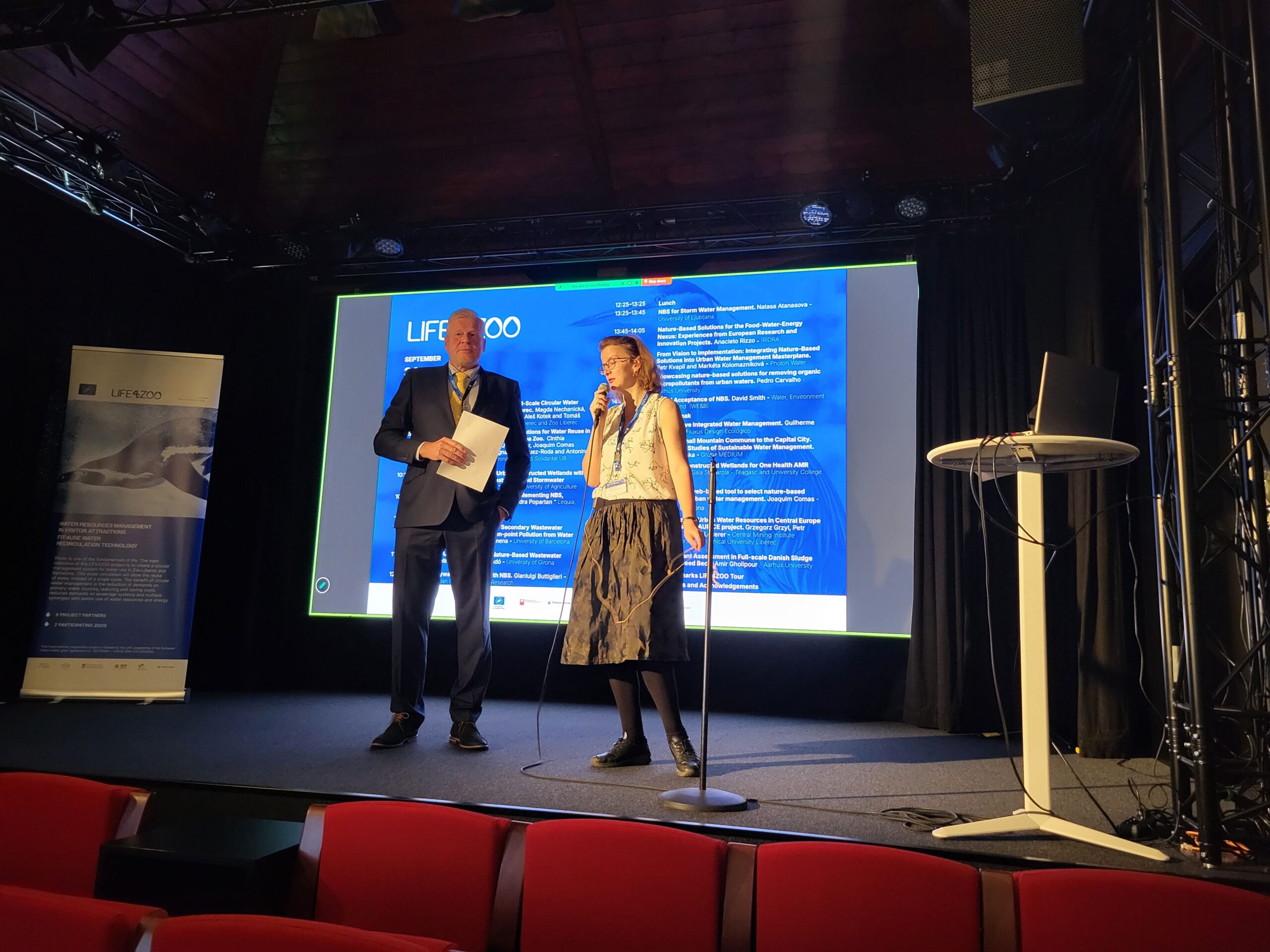
The conference, held on 30 September at the Technical University of Liberec within the LIFE4ZOO project, brought together researchers, water professionals, planners and practitioners. The common question was simple: how can cities retain water, treat it and reuse it more effectively?
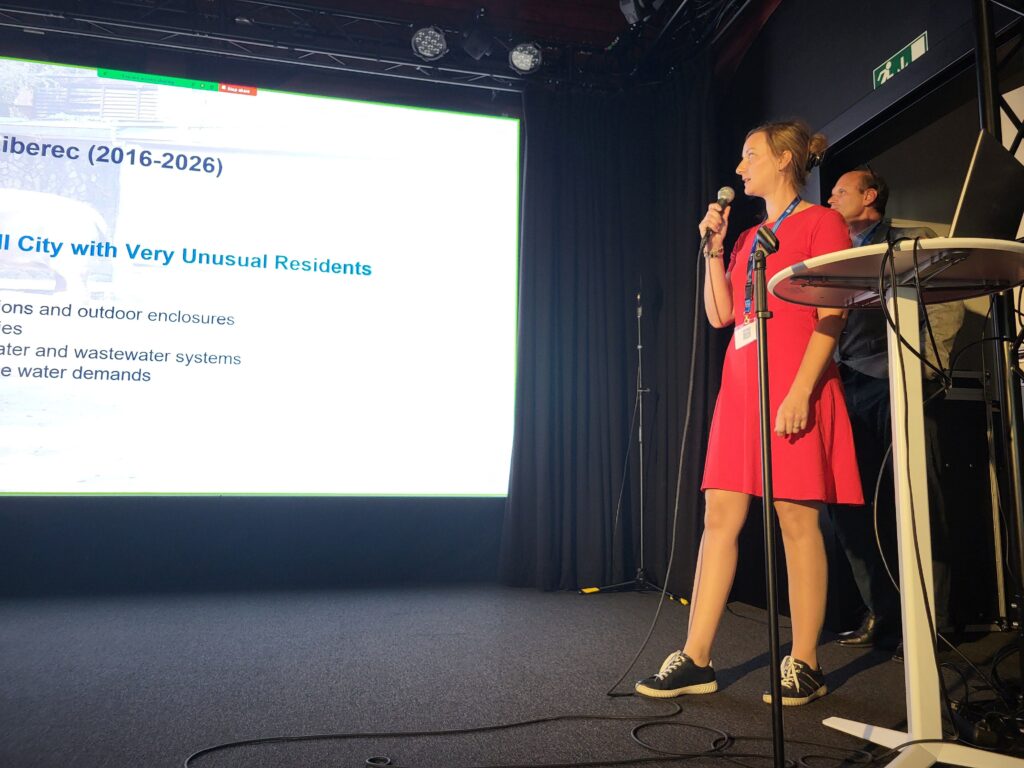
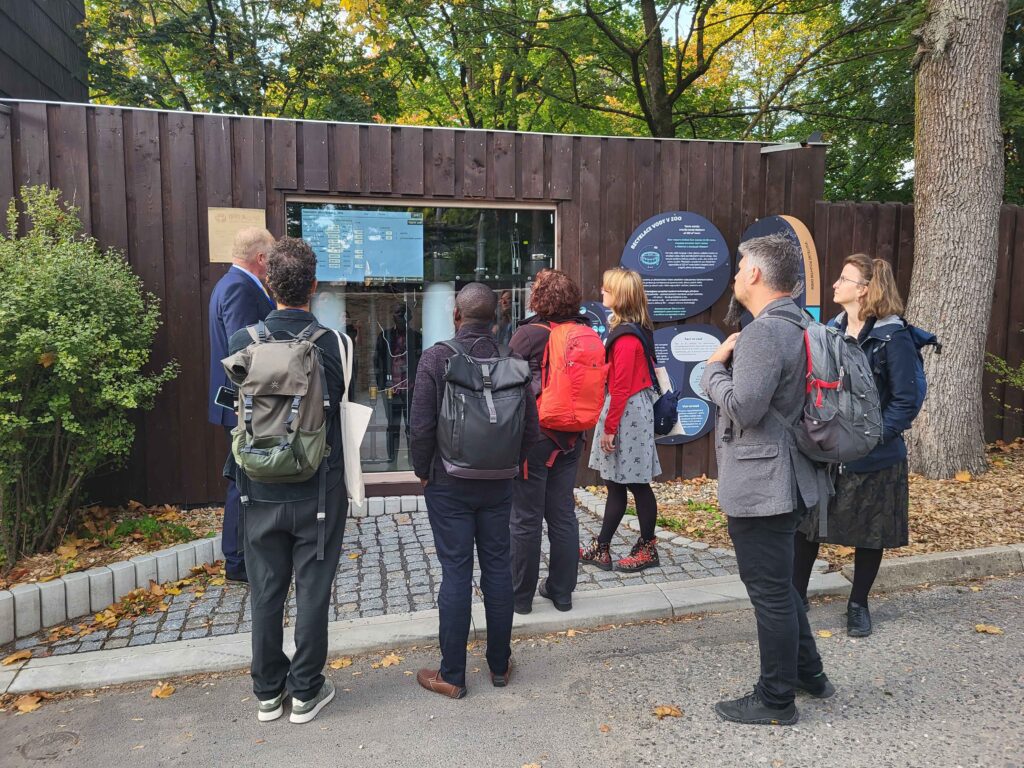
And the discussion was not limited to future visions. One of the first examples came directly from Liberec Zoo, where LIFE4ZOO is testing a full-scale circular water management system. This was followed by experience from Barcelona Zoo, where different nature-based solutions are being combined for water reuse. The programme quickly moved far beyond zoos, covering greywater treatment, stormwater management, constructed wetlands and the removal of micropollutants.
That was one of the strongest messages of the day: nature-based solutions are not a single technology. They can take the form of wetlands, vegetated systems, stormwater retention measures or combinations of natural and engineered processes. The right solution depends on the specific site and the specific problem.
The debate therefore went beyond whether the technologies work. It also focused on how to move them from pilot projects into everyday urban practice. How can nature-based solutions be integrated into water-management masterplans? How important is social acceptance? And how do cities choose the right solution for a particular type of water and location? The programme ranged from urban planning and public acceptance to European research projects and practical tools for selecting suitable nature-based solutions.
For CXI TUL, the conference was not the conclusion of a single project. It was a starting point for further work in blue-green infrastructure, sustainable water management and nature-based technologies.
Because the real question is no longer whether cities can manage water differently.
Many of the solutions already exist.