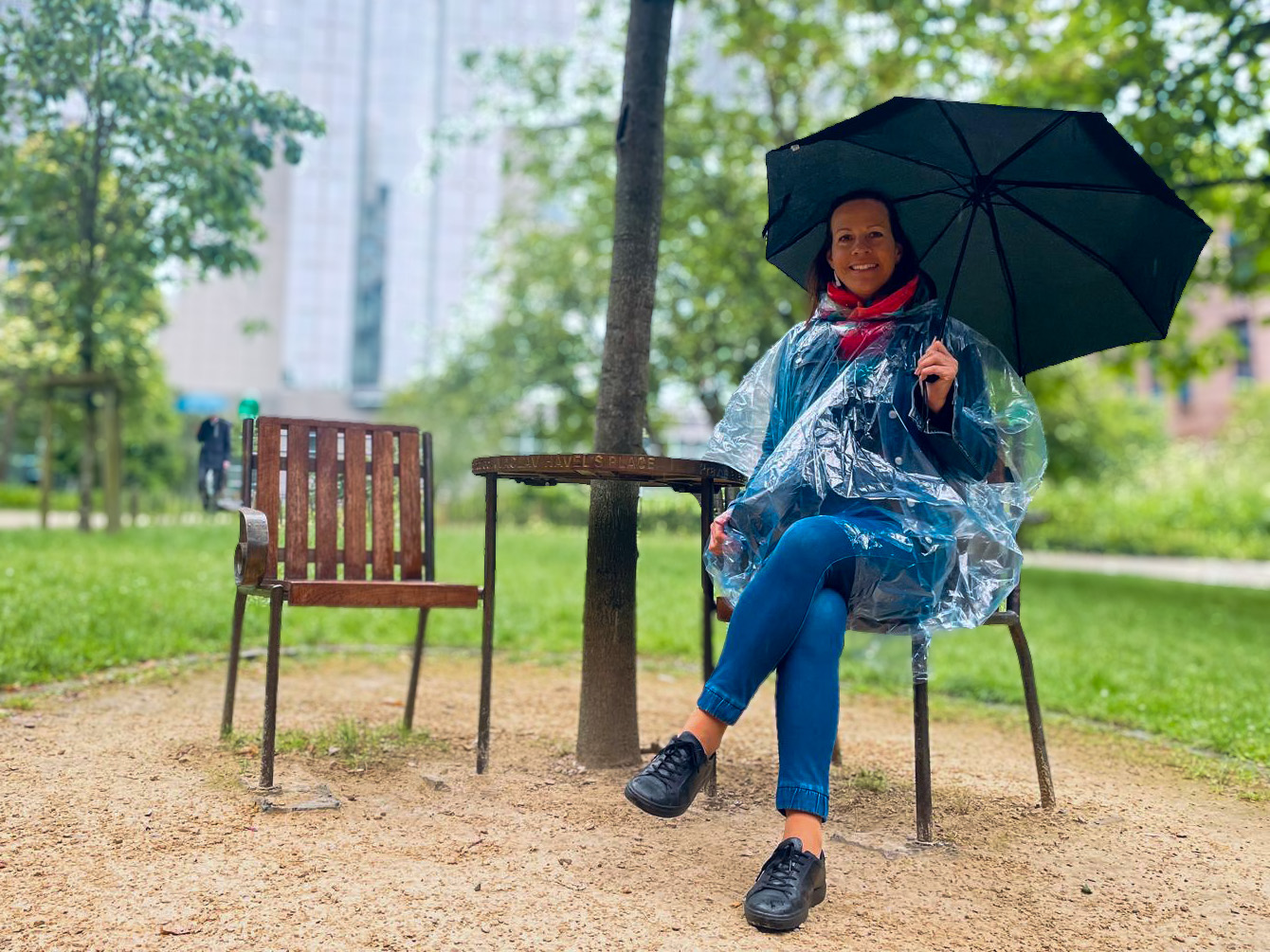
“You focus on the science, we’ll handle the rest.” It was this very sentence that stuck with Linda Frydrychová from CXI TUL the most during her week-long CZELO internship in Brussels. It perfectly captures the direction in which project management in science is heading today: from administrative support to strategic partnerships with researchers.
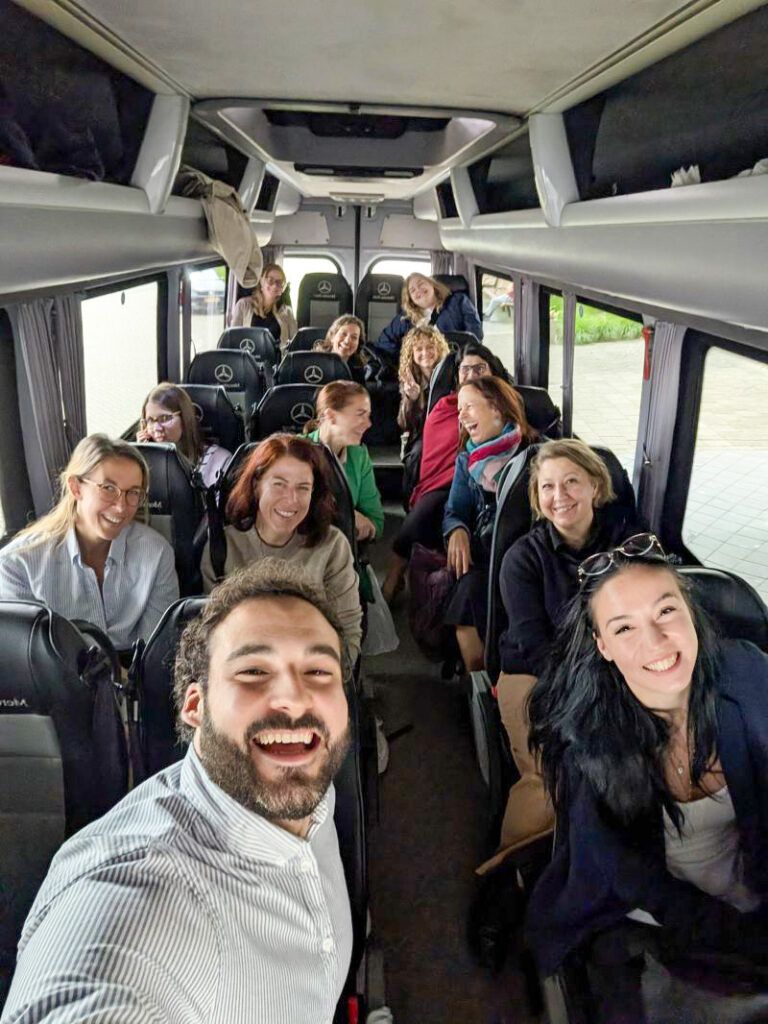
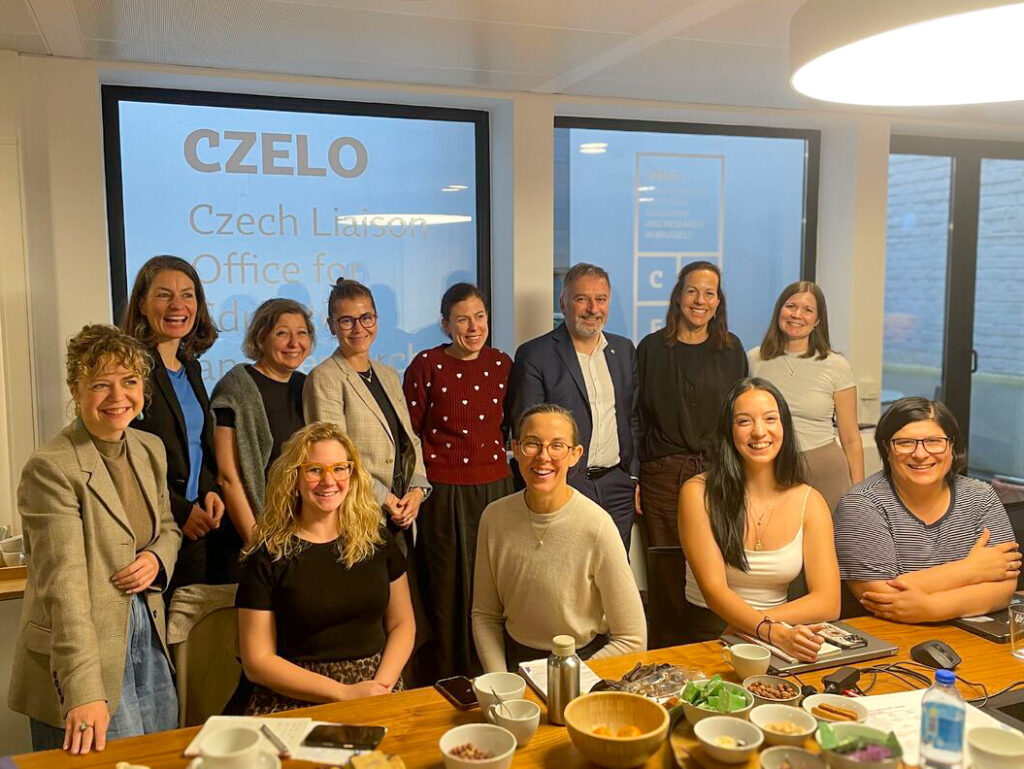
Linda participated in the internship from June 8 to 12 alongside project managers from Czech universities and research institutions. The program introduced them to the world of European research policy and practice: from meetings with representatives of the Czech Liaison Office for Education and Research (CZELO) and the Czech scientific community in Brussels, through topics such as COST, ERC, and Horizon Europe, to visits to Belgian and Dutch universities.
“I’m shifting more toward international projects and wanted to better understand how Brussels works,” says Linda.
A Good Idea Isn’t Enough: How to Increase Your Chances of Getting an ERC Grant
European grants represent both prestige for researchers and an opportunity to collaborate with top-tier teams. However, a high-quality research idea alone does not guarantee success. It is also crucial to be able to clearly present the project, place it in a broader context, and convince the evaluation panel that it is not just a well-written application, but a strong scientific vision.
One of the topics of the internship was therefore supporting applicants for prestigious ERC grants. “At many Western European universities, it is common for researchers to be guided by specialized external consultants from the initial proposal through to the interview before the evaluation committee, especially for first-time or strategically important calls,” explains Linda.
However, the main benefit of such preparation lies not only in a flawlessly executed presentation. The candidate must demonstrate that they are truly passionate about the project. It must be clear that this is their own scientific idea, a long-term ambition, and a topic they understand in depth. If an application is submitted to the ERC merely so that the institution can check off a KPI, the panel will recognize it.
However, such a service is not yet common in the Czech Republic and is likely not easily affordable for many universities. Yet it is precisely high-quality preparation that can significantly increase the chances of success. Even an excellent project can easily get lost among hundreds of others.
In addition to professional support, it is also important to learn directly from the evaluation system. “An inspiring example was the involvement of experienced researchers on evaluation panels. Although they cannot submit their own grant applications while serving on the panel, they gain a unique insight into the evaluation process, the evaluators’ expectations, and the most common mistakes made by applicants,” Linda points out, explaining that they can then use this experience when preparing their own projects or pass it on to other colleagues. According to the participants, sharing this know-how is one of the most effective ways to increase the success rate of Czech researchers in European grant competitions.
We’re All Dealing with the Same Problems
But the ERC wasn’t the only topic that came up during the internship. The biggest surprise for Linda was discovering that even more experienced European institutions don’t have all the answers.
“We agreed that we’re all dealing with the same issues: how to increase the success rate of project applications, how to navigate the multitude of programs, and how to structure support so that researchers don’t get lost in the formal requirements,” she says.
It also became clear that today’s European grant landscape is so broad that a single project manager cannot understand all the programs. Successful project offices therefore rely on the specialization of individual staff members.
“I thought I’d come here and figure everything out on my own. The reality was different,” Linda laughs.
The good news is that the European Union plans to further standardize and simplify the requirements in the next programming period. Research teams could then focus more on the science itself, its promotion, and popularization, and less on administrative tasks.
Networking Is Part of Research
Another important topic was the role of professional contacts. European institutions encourage researchers to actively participate in evaluation panels, working groups, and international networks. This allows them to gain valuable experience and make contacts for future projects.
According to the participants, it is equally important to be able to present one’s own research effectively. In their view, Czech universities certainly have a lot to offer, but they often promote their achievements less than their international competitors.
“I also see great potential—which, unfortunately, we are not fully utilizing—in the professional network LinkedIn. Researchers’ personal profiles often have a greater reach than institutional accounts and can help build international collaboration,” Linda notes.
Brussels from a Different Perspective
The atmosphere at the European institutions themselves was also a surprise. Instead of the bureaucratic environment they had expected, the participants encountered an open and very dynamic environment full of people interested in advancing European research.
The lectures explaining the workings of the European Commission, individual agencies, and the processes behind the creation of European programs were also very beneficial. This makes it easier to understand how calls for proposals are created, who decides on them, and how research organizations can influence their design.
How It Works Elsewhere
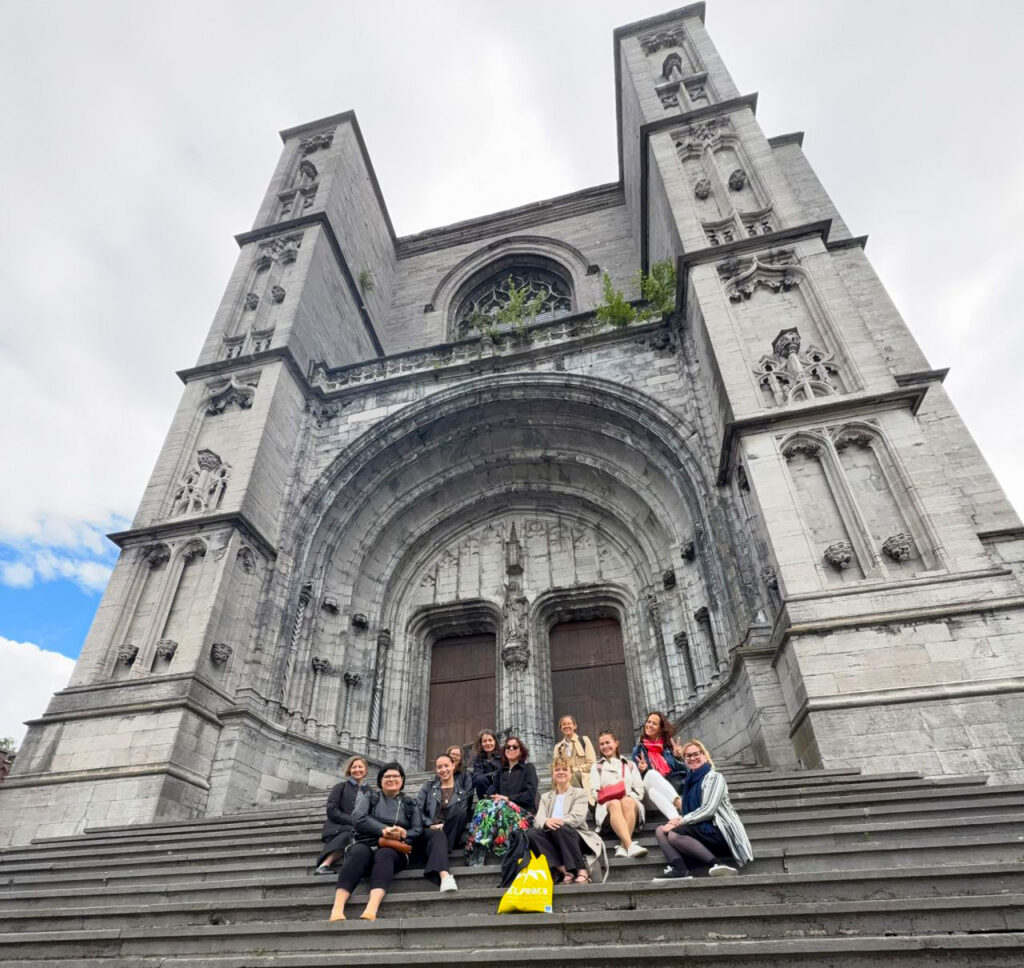
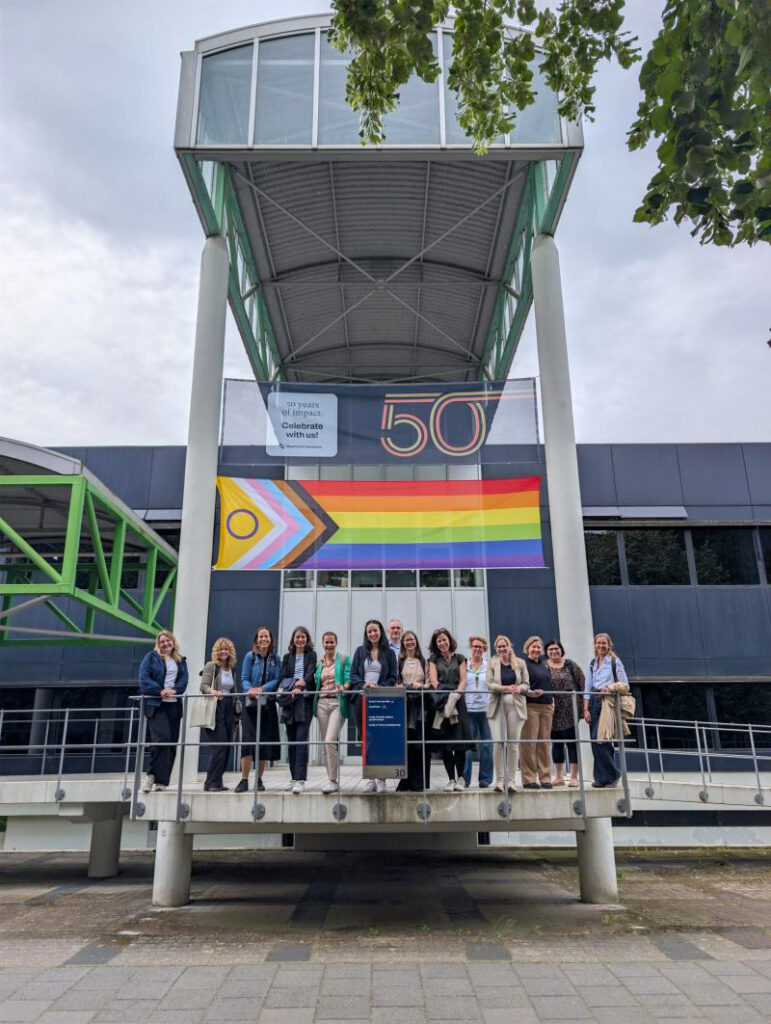
Visits to Maastricht University and Mons University were a great source of inspiration. Project support there is divided into two specialized areas—the preparation of grant applications (pre-award) and the subsequent implementation of projects (post-award).
“At our institution, a single project manager often helps prepare a project and then also participates in its implementation. At most large universities, such as in Maastricht, these responsibilities are divided among specialized teams. Honestly, I can’t say definitively which model is better or more effective. Subjectively, though, I prefer our approach. Thanks to this, the work is more comprehensive, continuity is maintained between the pre-award and post-award phases, and at the same time, it’s much more varied for us—and, admittedly, also more demanding,” says Linda, noting that the system in place at CXI TUL works very well.
She was also impressed by the fact that the project department actively seeks out suitable opportunities for individual researchers, connects them with partners, and monitors their research topics. LinkedIn plays a significant role in this as well.
But the strongest inspiration came from Norway. The Norwegian University of Science and Technology has its own office in Brussels. A meeting with Massimo Busuoli from the NTNU Brussels Office provided a very practical example of how a university’s Brussels office can function not only as an information hub but also as a strategic tool for positioning the university in Europe, building partnerships, increasing visibility, and supporting participation in Horizon Europe.
A team there monitors European topics, maintains contacts, and connects researchers with partners even before a proposal is drafted. It is then up to the faculties, researchers, and project teams to develop the opportunity further.
NTNU has been developing this model for about ten years, and the university has completed over two hundred European projects and received approximately 155 million EUR in grants.
“Having someone on the ground in Brussels is an approach that clearly works,” Linda sums up.
Good science needs a good system
So she didn’t bring back a simple blueprint for a winning project from her internship in Brussels. She brought back something more important: confirmation that success in the European Research Area isn’t just a matter of great science, but also of a good support system.
And this is where the opening sentence comes back into play. This is precisely the direction we at CXI TUL have been heading in for a long time.