

NANOMATERIALS
IN NATURAL SCIENCES
The research direction of nanomaterials in natural sciences combines basic and applied research, advanced technologies, including hi-tech analysis of not only environmental pollutants. Great emphasis is also placed on the synthesis and testing of various nanomaterials and their verification in practical applications, especially in the areas of water purification and remediation.
Department of Nanochemistry
The Department of Nanochemistry uses the tools of organic and inorganic chemistry for the preparation and chemical modification of nanomaterials, especially nanoparticles and nanofibers.



News
-
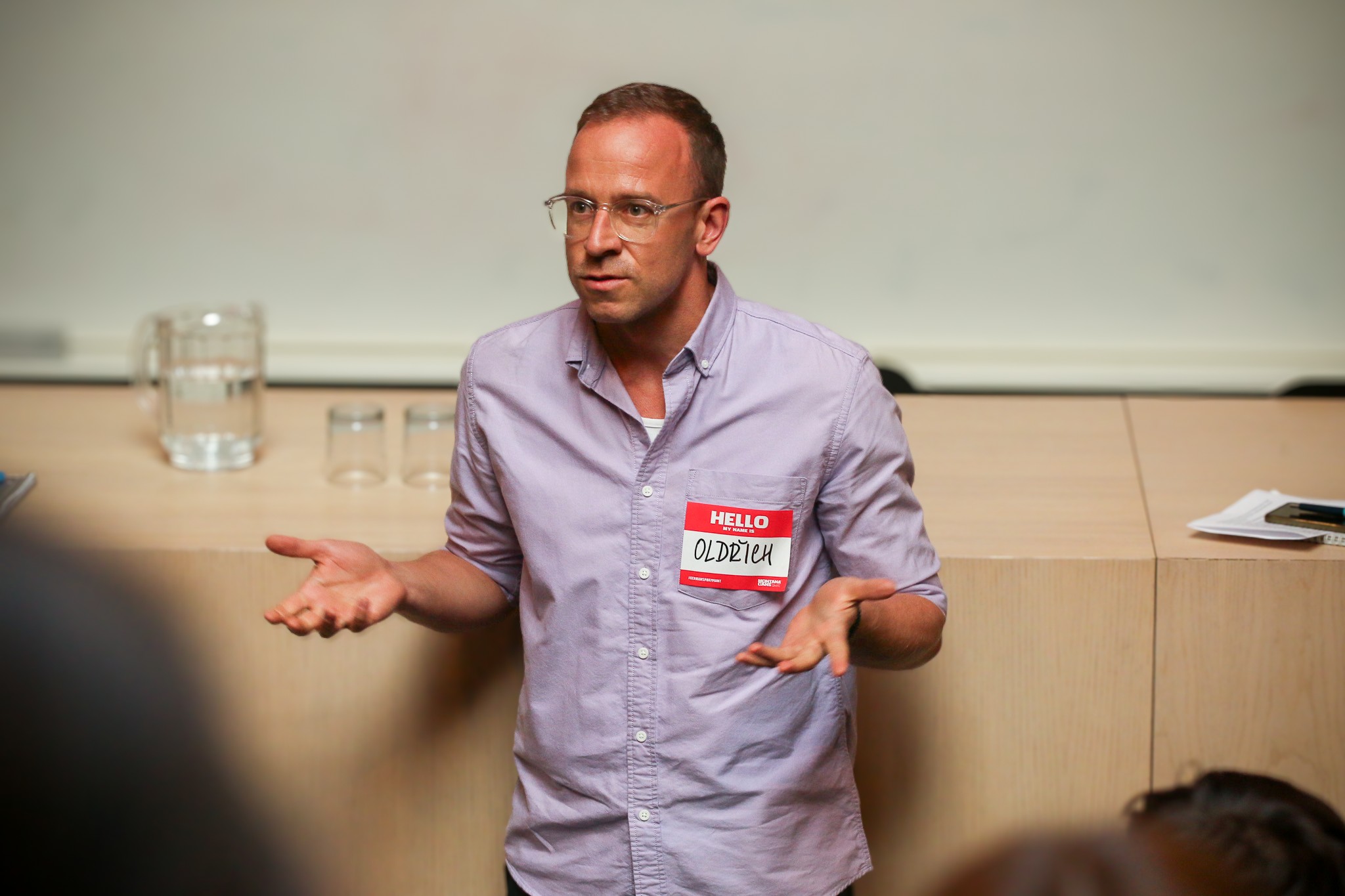
From women’s health to bees to burnout. The SciComHub online conference showed just how many different ways there are to talk about science
The vagina, menstruation, the menopause. Three words that can still make an audience feel uncomfortable today. But how are we to advance research into women’s health if we are too shy to talk about it openly? And what if a scientist develops a brilliant piece of technology but is unable to explain its benefits to…
-

How can we talk about science in a way that people can understand? In Liberec, it became clear that good research alone is not enough
Scientists are capable of developing technologies for space missions, securing prestigious grants or searching for new treatments. However, explaining their own research to someone who has never heard of it can sometimes be harder than the research itself. How can we bring science out of the laboratories and into the public sphere? How can we…
-
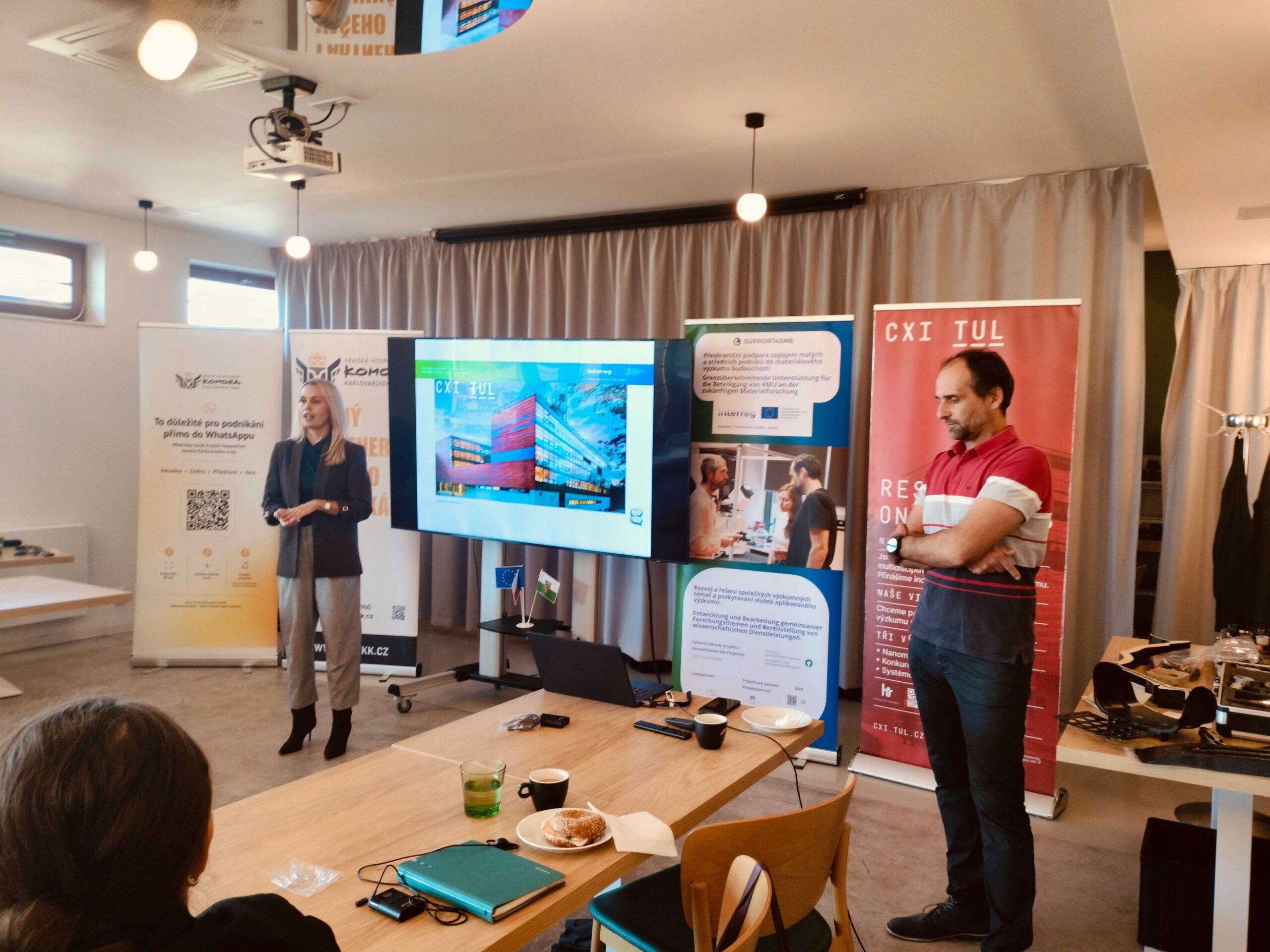
Czech and Saxon companies sought solutions with researchers. SUPPORT4SME brought companies and research together
How can collaboration with a university help companies solve specific production problems? This was the focus of the Czech-Saxon SUPPORT4SME project workshop, which took place on 7 October 2026 in Sokolov. The event attracted representatives from companies in the Karlovy Vary Region and Saxony who were looking for ways to utilise the research facilities and…
-
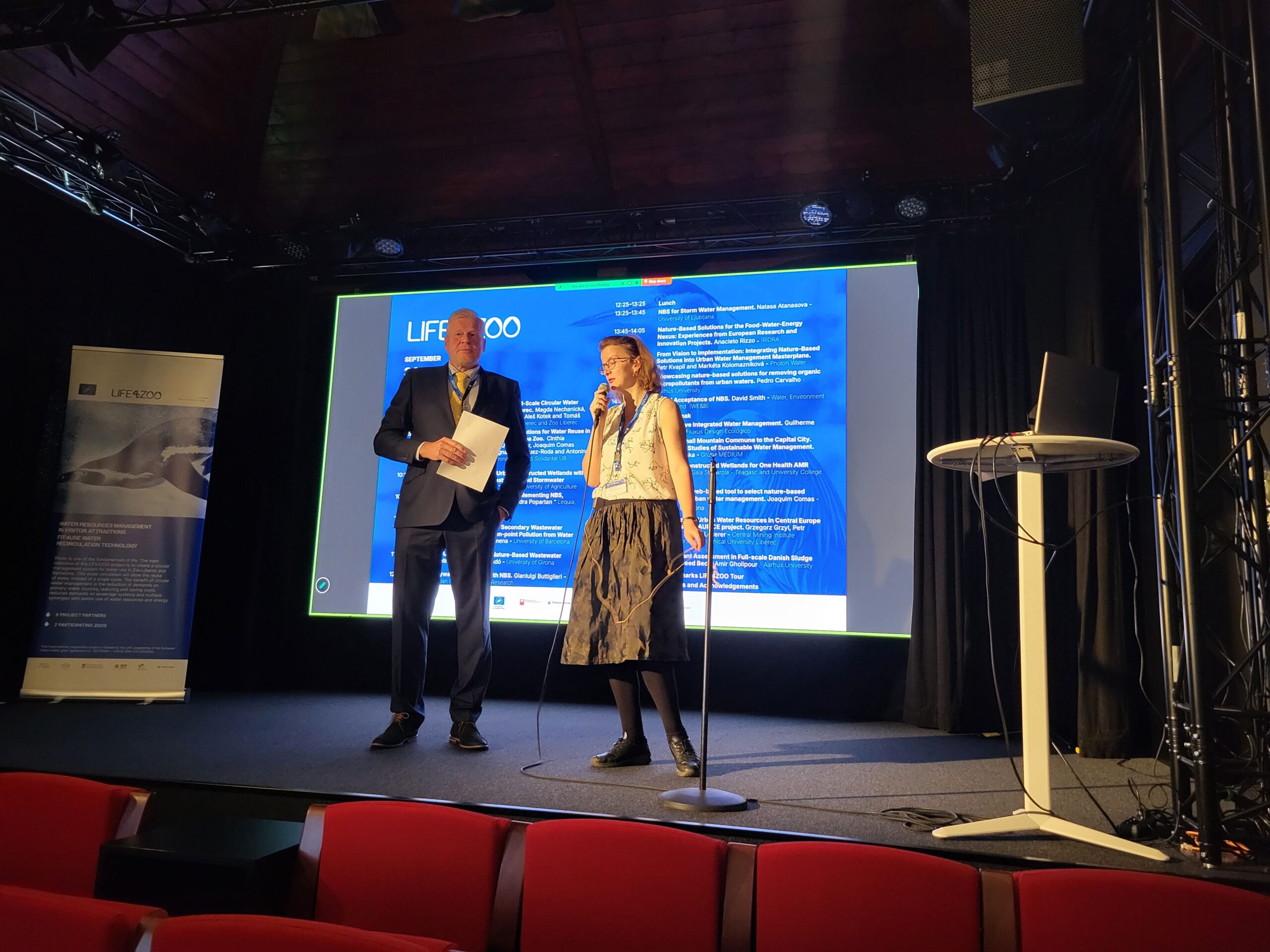
When Water in the City Does Not Have to Disappear Down the Drain. LIFE4ZOO Showed How to Keep It in Circulation
Rain falls on a roof, asphalt or a car park and within minutes disappears into the sewer system. Elsewhere, drinking water is still used to irrigate greenery or refill water features. At a time when cities are dealing with drought, intense rainfall and rising water costs, it is becoming increasingly clear that the old model…
-
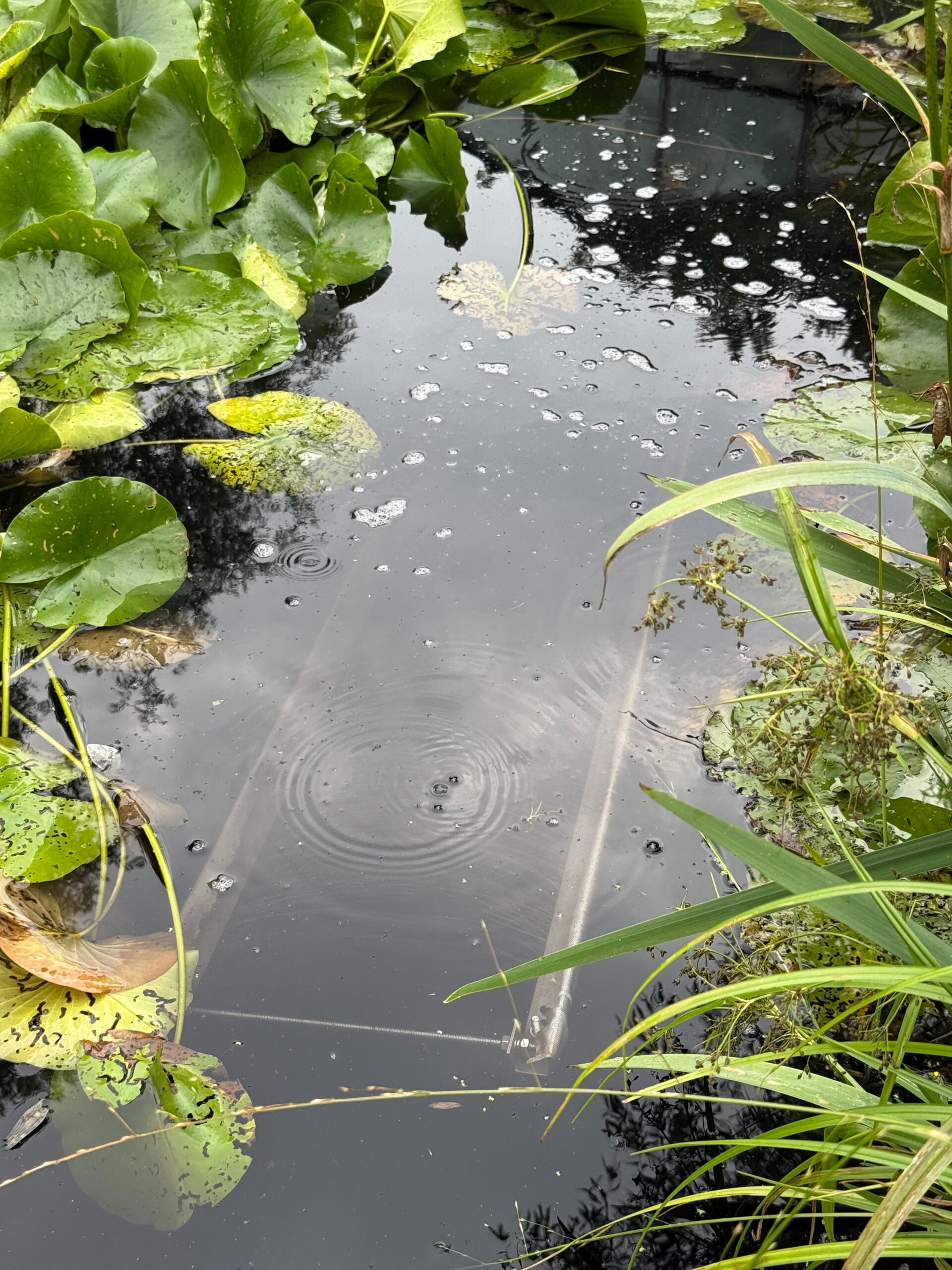
Bacteria, Nanofibres and a Plastic Pipe: A Simple Way to Clean Water
At first glance, it looks like a simple setup. Inside, however, microorganisms are at work, helping to further purify the water. Karel Havlíček from CXI TUL and his team combined bacteria with a 3D nanofibrous carrier and tested the solution both at a wastewater treatment plant and in an ordinary garden pond. Wastewater treatment has…
-
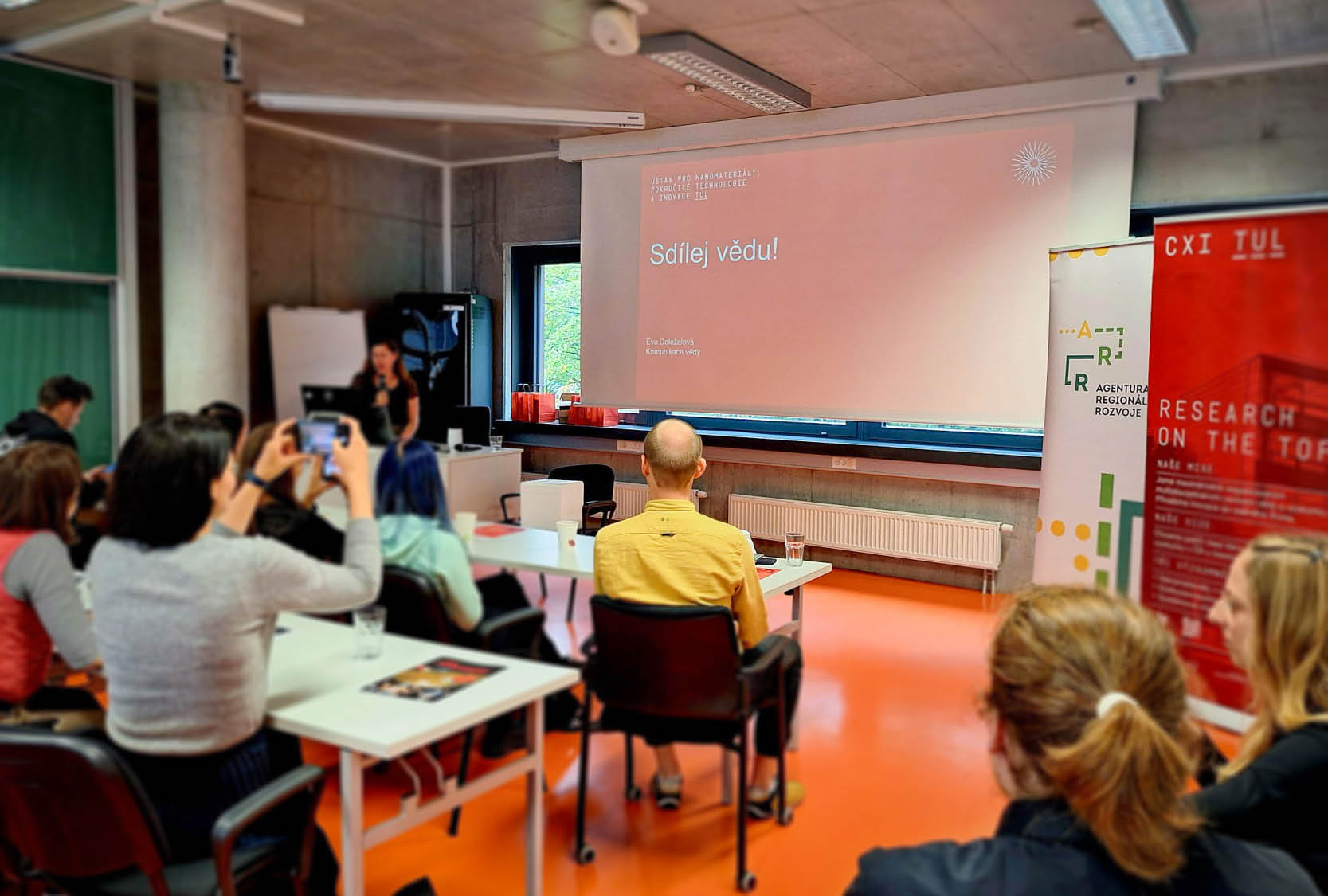
Cutting-edge science isn’t limited to Prague. So why do we hardly ever hear about it?
Karel Žídek received one of Europe’s most prestigious ERC grants. Thanks to her research, Karolína Morávková made it to the finals of the Falling Walls Lab in Berlin. Eduard Seibert captivated the world with a lamp created with the help of bees. They have one thing in common: they’re doing cutting-edge science outside of Prague.…
-
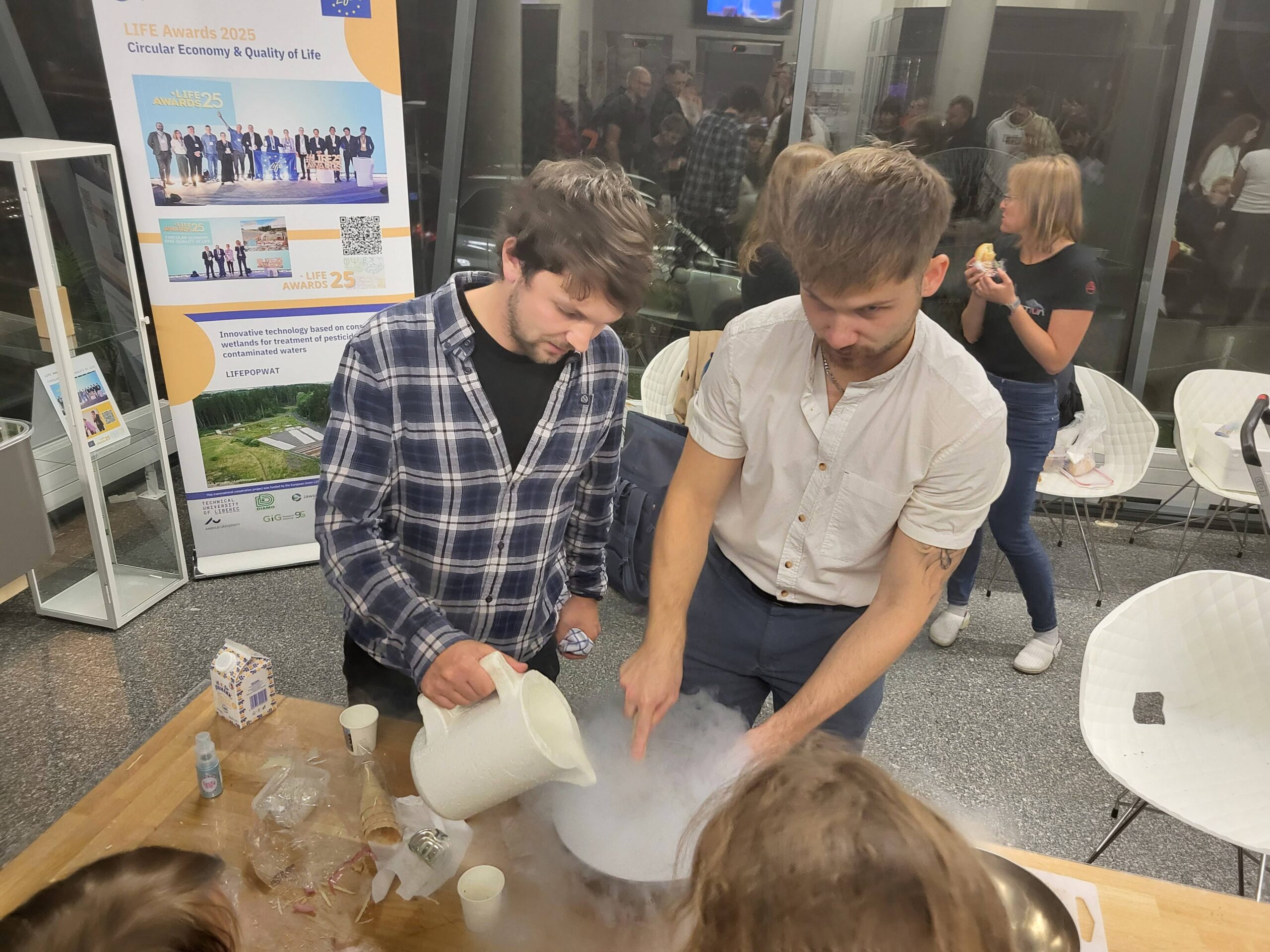
What Do Bacteria Say to Each Other? Science Night at CXI TUL Will Reveal the Hidden Language All Around Us
Bacteria can coordinate their actions. Human cells have their own communication network. Chemical substances send signals, and a 3D printer must correctly interpret the code. In short, communication neither begins nor ends with humans. At this year’s Science Night at CXI TUL, you’ll discover how many different “conversations” are taking place around us without us…
-
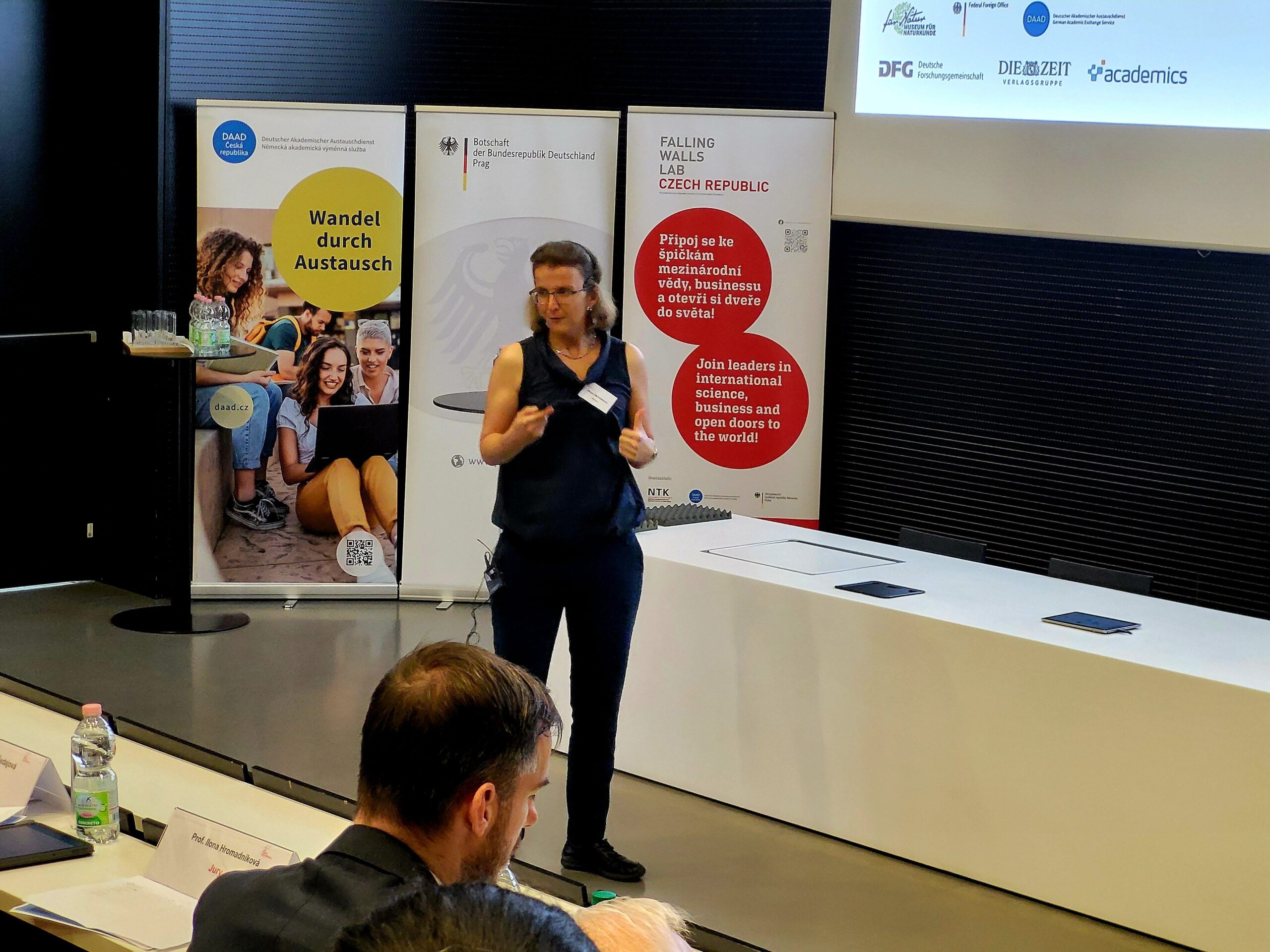
Magda Nechanická Represented CXI TUL at the Falling Walls Lab
Magda Nechanická, a young researcher from CXI TUL, made it to the Czech finals of the prestigious international Falling Walls Lab competition. In her three-minute presentation, she introduced research that could significantly speed up the detection of pathogens in water. The Czech finals of the Falling Walls Lab took place on September 15 at the…
-
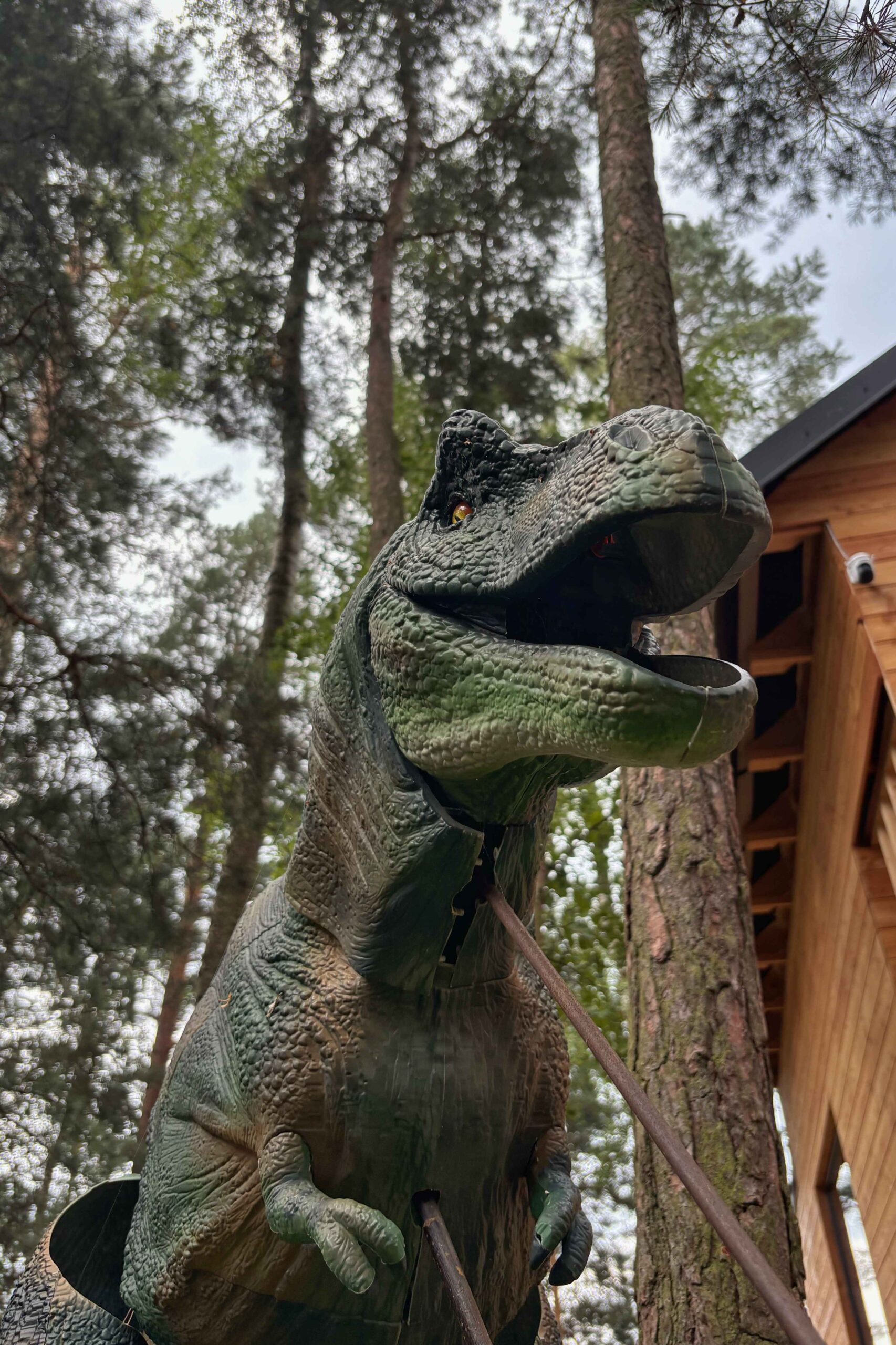
A dinosaur world has sprung up in the forest. 3D printing from CXI TUL helped make it happen
What began as a children’s game with dinosaurs is now the unique Dinopark Hostíkovice, home to nearly 150 prehistoric creatures. Its newest addition is a trilobite printed on a 3D printer in the CXI TUL laboratories. Hostíkovice has just under fifty residents—that is, if you count only people. But if you include the dinosaurs, the…
-

“Baby bags? That’s how the journey to a product begins,” says Miroslava Rysová
A bizarre email about “baby bags,” skin-friendly laundry sheets, or eye drops with nanoparticles. Research by Miroslava Rysová and the Department of Applied Biology at CXI TUL shows that the path from laboratory research to a practical product is often surprising, challenging, but frequently much more pragmatic than companies initially imagine. When did you first…
The archive of all CXI TUL News is available here.
Cooperation
At the Institute for Nanomaterials, Advanced Technologies and Innovation in Liberec (CXI TUL), we bring together research, technology, and science that are used by companies and research organizations. We develop new materials and modern technologies and apply solutions that have a real impact in industry, healthcare, IT and other areas. Our laboratories and people are among the best in their fields, and our results speak for themselves.
Types of Cooperation
Based on duration and organization
Individual short-term contracts
Long-term cooperation, series of follow-up orders (framework agreement, cooperation agreement)
Partnerships in grant projects
Association (consortium, active network)
According to the exclusivity of the relationship
Exclusive relationships
Non-exclusive relationships
By research type
Applied research and development
Basic/exploratory research
Our Successful Cooperation
Aquatest, a.s
Surface treatments of Fe nanoparticles for in-situ groundwater remediation
Brano Group a.s.
Výzkum a vývoj, speciální konstrukce
Bosch Diesel s.r.o.
Production of prototype parts on a 3D printer
Crytur s.r.o.
Research and development of new grinding methods
Elmarco s.r.o.
Construction of special-purpose machines
Jablotron a.s.
Research and development in the field of mechatronics
Magna Bohemia s.r.o.
Systems for regulating the temperature field on the production line
Nanoprogress, z.s.p.o.
Equipment for research into the reproducible preparation of core-shell coaxial nanofibers
Pragotherm, servis fasád s.r.o.
Microbiological analysis of algae and fungi
Preciosa a.s.
Study of the surfaces of polished products and the surface of coral stringing holes
Trusted by leaders in science and industry


Institute for Nanomaterials,
Advanced Technology and Innovation
Studentská 1402/2
office:
Bendlova 1409/7 – budova L
460 01 Liberec 1
T +420 485 353 852
M +420 603 202 890
Stay in touch
Designed with WordPress